Thursday, 23 February 2017
pitch presentation
this is our final pitch presentation to our opening title sequence. we are now ready to go and take our recce of our location.
creating our pitch

representations and enigmas
in the opening of our film we are planning to use specific representations and enigmas to drive the narrative and draw the audience in to the film.
 representations in our opening
representations in our opening- hoodies
- graffiti on walls
- tower blocks
- dialect from main characters
- who are they on the phone to ?
- who is watching them in the ending of the sequence?
- where are they going
We were influenced by the opening of Harry Brown's various cinematography techniques through there point of view shots so we will use this in parts of our filming to make it more dramatic.
Tuesday, 21 February 2017
production schedule
This the schedule that my group currently have for our timing and what days we will be using to film the parts that will be necessary for each day. These are now the complete and updated notes in regards to what days we will be filming. we have also included what days we will use for reshooting and editing are title sequence according to work schedules and lessons in school.
Monday, 20 February 2017
feed backs from pitch


after these first feed backs we decided that we will make the opening sequence more visually clear by adding in stars we plan to portray and enigmas and representations we will include in the opening of our movie.
2nd feed backs after improvements


after our second feedbacks we decided as a group we were ready to go and take a recce of our film location we plan to film in as there was no planning permission needed in order to film in the location that we are intending to use.
recce
group recce

This is our opening shot. We decided to use it to show the urban area, as we can see tower blocks in the background. We will show two of our protagonists planning to meet in this scene.

this is a shot we took where we will show Daniel Fincher spying on the boys. This will create an enigma which will later be revealed in the plot.

this shot will be used to show conventions of our genre. The graffiti on the cage will show rebellious behavior and potential social issues later to come in the movie.

This is our opening shot. We decided to use it to show the urban area, as we can see tower blocks in the background. We will show two of our protagonists planning to meet in this scene.

this is a shot we took where we will show Daniel Fincher spying on the boys. This will create an enigma which will later be revealed in the plot.

this shot will be used to show conventions of our genre. The graffiti on the cage will show rebellious behavior and potential social issues later to come in the movie.
Thursday, 9 February 2017
titles designer - Saul bass
Saul Bass
Saul Bass graduated from James Monroe high school in the Bronx and studied part-time at the Art students league in Manhattan until attending night classes with Gyorgy Kepes at Brooklyn College. He began his career in Hollywood in the 1940's making print advertisements for films directed by Otto Preminger. his next step was to start designing film posters for the company. They became so impressed he was asked to design a title sequence. this is when he first saw the potential in a title sequence and closing credits to relate to the themes and key messages in relation to the film.here are a few title sequences he created.


Bass became widely recognised in the film industry after creating the title sequence for Otto Preminger's 'The man with the golden arm'.
The man with the golden arm focuses on a man with a heroin addiction. The narrative depicts a jazz musician addicted to heroin the non diegetic sound used in this opening title sequence shows this jazz music and helps to develop the representation without the visual of the man actually on the screen.
Saul Bass was the first person to decide to pull back the curtains in 'The man with the golden arm' before the opening credits of a movie. This allowed the fusion of pop art to be introduced into title sequences.
The titles open with white lines crossing the screen this could be significant to injections or needles.when the title of the film is revealed the 'needles' surround the title. The fact the title has arm it could show the main character will be addicted to heroin. This could link to a key message that will be presented later in the film. The strong contrast between black and white makes the titles more dramatic and entice the audience to want to carry on watching. When the white beams turn vertically it makes them look pointy representing a needle. When these needles go in to the shape of a deformed arm reinforces that representation of a heroin addict as it is meant to'destroy' veins in your arms. The music at the end of the scene has increased in depth and dynamics which allows the context of the 1950's to be heard through the instrumental used for the soundtrack in this opening.
Another film that he designed the titles to was Alfred Hitchcock's Vertigo
As the opening starts the music signals the genre of thriller through the use off low pitch notes the loops in the score of the music can signal repetition and psychological struggles in the narrative of the film. When we see the side of Madeleine face played by Kim Novak we are introduced to the theme of beauty as it focuses on the appearance of her as the James Stewarts character in the movie becomes obsessive of the image of her.
Although the title sequence played a central role in establishing the visual style of Vertigo its use in the marketing of Hitchcock's film was limited and the appearance of the hollywood stars was favoured throughout the opening title sequence. The face of Kim Novak can also introduce the theme of anxiety as we see a close up of her lips as they twich showing her to be unsettled. This helps to construct the personnel
Tuesday, 7 February 2017
Urban British crime genre conventions
urban british crime

urban crime was founded as a sub genre of crime in the late 1980's to the early 1990's and is still a great seller in modern day society.they tend to depict urban black culture; hoodies, bikes, drugs, gangs & money.
The main protagonist in these movies tend to reflect the area in which the film is set in. A few films that portray these aspects are;
Ill Manors & kidulthood.

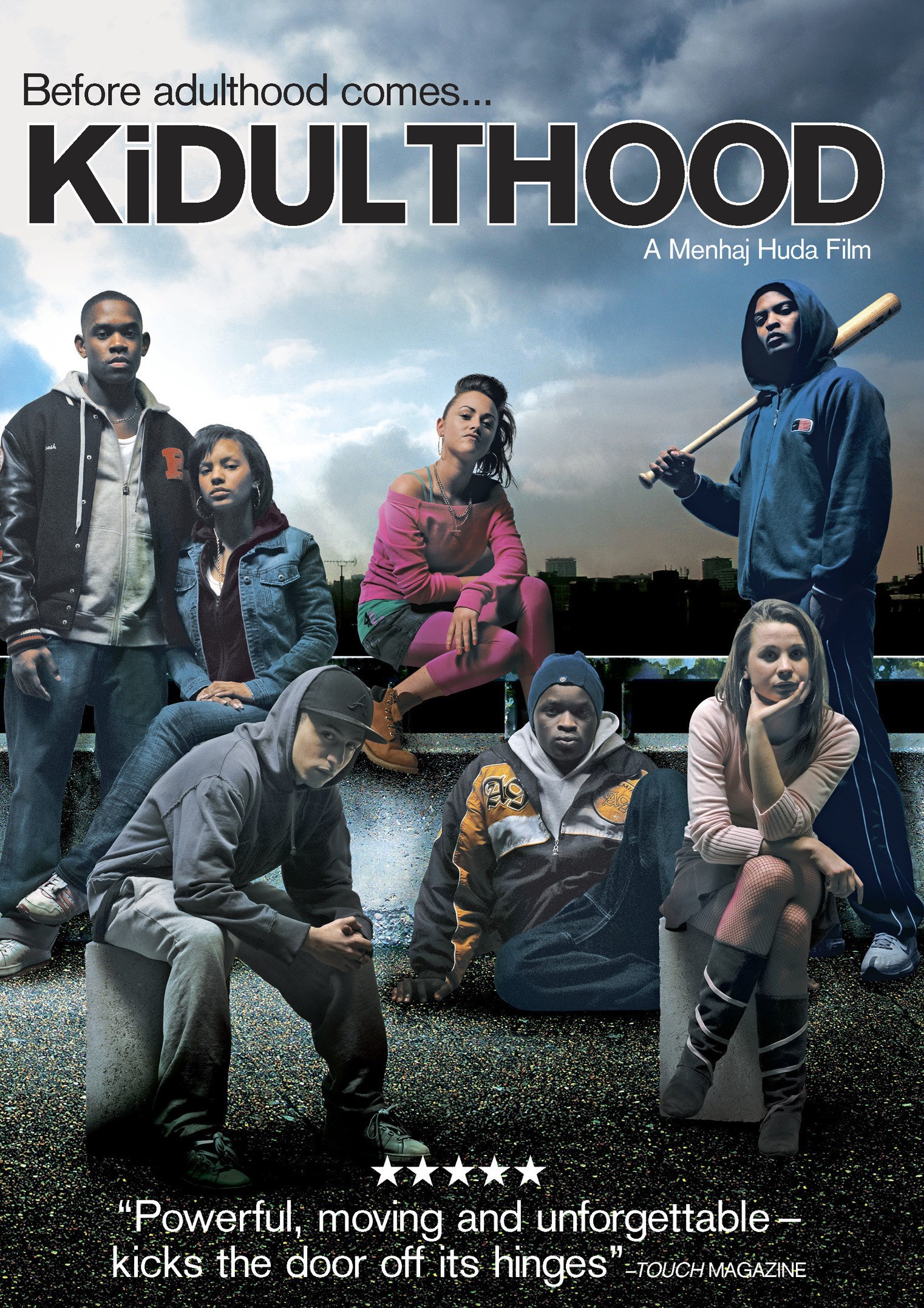
urban crime in media
mis en scene
urban crime was founded as a sub genre of crime in the late 1980's to the early 1990's and is still a great seller in modern day society.they tend to depict urban black culture; hoodies, bikes, drugs, gangs & money.
The main protagonist in these movies tend to reflect the area in which the film is set in. A few films that portray these aspects are;
Ill Manors & kidulthood.
urban crime in media
mis en scene
- dark colours and setting
- masks, guns, drugs, money, tracksuits
- graffiti, tower blocks, cameras, police
- quick snappy shots - make the action faster in scene of high tension
- establishing shot - shows the audience the area and possible social issues
- point of view shot - makes the audience feel the adrenaline that one of the gang members are feeling. this is shown well in the opening of Harry Brown when the boy is riding the motorbike.


Monday, 6 February 2017
shank analysis
the titles opening begins by showing us the film is
distributed by revolver this could connote the genre being crime as they have
distributed films like Ill Manors, Anuvahood and offender. revolver tends to
mainly focus on distributing films based around crime. we then see the
production company Gunslinger a film production that linked with Revolver to
create Anuvahood and Sket. we then see another production company gateway
films. gateway films also helped to create Anuvahood and Sket with Revolver
showing that this will be another classic Urban British crime.
we then see an old news report of a violent rebelling attack against police showing
the theme of violent social issues straight away. the police van within the mis
en scene shows this incident took place in England as it is a British police
van. it then cuts to show us the film is in association with molinare studio
and gateway films.
we then
see an animation of Adam Deacon. He is best known for his work in urban British
Crime films. Anuvahood and the sequel Adulthood.
it then
shows us Ashley Thomas an actor who worked alongside Adam Deacon in the
creating of Anuvahood and the Adulthood sequal. in his animatic he is
holding a knife which could show he is going to be the main antagonist of the
film.
we then
actor, Michael Socha best known for his role in this is England.
it then
cuts to show Kaya Scodelario another actor known forher work in The maze runner
and is yet to star in the new Pirates of the Caribean and the new Maze
runner.
Jan Uddin
then shows up he is only know for his work in tv soap opera Eastenders.
it then
show Jennie Jacques who played a lead role in Truth or death and a significant
role in Desperate Romantics, a tv drama serial.
we then
see a new actor Kedar Williams this excite an audience as they will want to see
how he acts.
it then
shows the production designer Rob Nicholls. the mis en scene in this animatic
show conventions of Urban Crime which will later portray key themes in the film
this is shown through the flats in the background and the barbed wire could
represent a prison as it is placed around the outside of the jail.
it then
gives us the title designer James Taylor. I like his strong contrast in black
and white as it gives a sinister look to his titles in the opening of this
film.
it then
cuts to show the editor of the film, Jullian Tranquille. the mis en scene in
this shot shows potential social issues that may reoccur later in the film due
to a car that looks like it has been hit with an explosive substance.
it then
goes on to show a few more animatics showing semi important roles in the
production of this film.
the film
centres on a young male running away from someone on a motorbike. the
soundtrack in the background helps add to the chase and makes it more dramatic.
the setting looks like an abandoned estate.this is shown by rubbish everywhere
aswell as graffiti on the walls.
when they turn the corner the text 'London 2015' gives us an idea of
setting. at this time crime rates were extremely high this could show crime
issues later in the film. the two boys act rebellious towards others as we
see them speed past a woman. this could also show the clear divide in society
in their neighbourhood. the constant quick shots build up the tension in the
scene and entice the audience to carry on watching.
when the boy jumps off the bridge the sound used makes it more dramatic
and gives an impression that his fate is undetermined. as he lands the
antagonist is revealed to be the boy on the bike as his facial expressions show
he is angry. his performance in the scene makes him seem like he knows the boy
he is chasing.
when the boy is walking around we see the area from his point of view.
the area is shown and run down and full of gangs this is shown through smashed
windows graffiti and rubbish bags placed everywhere. the dog barking gives a
sense of the neighbourhood being empty as their is no one around. as the boy
enters the parking lot under the block the dark lighting could connote danger
that is about to occur. the use of pleonastic sound for his footsteps
dramatises the scene and adds tension to what is about to come.
when we hear the sound of the door opening the boy freezes un a panic to
what is about to happen. as an audience would suspect these are the gang
members who were just chasing him. when the gang surround him we are aware he
is about to be attacked as they are holding weapons. the boys facial
expressions show that he is scared at this moment in time.
when the boy is attacked the use of slang is used to show the area of
London and represent crime as a normal thing to occur. when the main antagonist
reveals the knife he smiles this visual gives a disturbing attribute to the
scene.
the boy is stabbed through the hand. the bass of the music at this point
sounds like a heart beat showing he is inferior in the ending of the titles.
it then cuts to show '6 hours earlier' showing there will be a
flashback.
we then see an old news report of a violent rebelling attack against police showing the theme of violent social issues straight away. the police van within the mis en scene shows this incident took place in England as it is a British police van. it then cuts to show us the film is in association with molinare studio and gateway films.
when the boy jumps off the bridge the sound used makes it more dramatic and gives an impression that his fate is undetermined. as he lands the antagonist is revealed to be the boy on the bike as his facial expressions show he is angry. his performance in the scene makes him seem like he knows the boy he is chasing.
Friday, 3 February 2017
individual story idea
equilibrium: there are 4 boys are in a urban environment and they are just hanging out on the streets of London and just lurking around their neighbourhood. just going through their everyday routine.
Disrupted: then they see an older group of boys which motivate them as the older group have money and everything the 4 boys want so they approach them.and the older group encourage them into bad things such as dealing drugs and they persuaded them to go to a big drug deal and intercept it and collect the drugs.
resolution: they go to the drug deal and one of the 4 members died. so the other 3 boys run away and go back to the older group and explain what happens.
repair the disruption: they get told by the older's that they don't care and they want the money. So they find a way of making the money and give it to the older group.
New Equilibrium: All 3 of them decide that they are better off living how they used to live so they go back to their old days when they use to jus hang out and chill and play football at the local cage.
Disrupted: then they see an older group of boys which motivate them as the older group have money and everything the 4 boys want so they approach them.and the older group encourage them into bad things such as dealing drugs and they persuaded them to go to a big drug deal and intercept it and collect the drugs.
resolution: they go to the drug deal and one of the 4 members died. so the other 3 boys run away and go back to the older group and explain what happens.
repair the disruption: they get told by the older's that they don't care and they want the money. So they find a way of making the money and give it to the older group.
New Equilibrium: All 3 of them decide that they are better off living how they used to live so they go back to their old days when they use to jus hang out and chill and play football at the local cage.
Tuesday, 31 January 2017
Planning - Shot list
Shots in opening scene:
- A long shot of the main protagonist and his friend walking towards the camera.
- The camera then cuts to the other friend riding the bike around the corner, using a medium close up (Wipe Transition)
- (Wipe Transition) An establishing shot of the area that they live in.
- Long shot of the two protagonist
- Cuts to a medium close up of the protagonist
- Shot reverse shot of the two characters having a conversation (x5)
- Low angle shot of two protagonists entering the staircase
- Pan shot from the two protagonist then to the bus
- Long shot of the protagonist
- Establishing shot of bridge
- Medium shot of two protagonist
- Medium shot of the other two protagonist
- Wide shot of either protagonists walking towards each other on a bridge
- Over the shoulder shot behind the main two protagonists
- A shot reverse shot of the conversation (x5)
- Wide shot of the characters leaving the bridge
- Dolly back as characters walk down the staircase to the bus stop
- Close up of the protagonist checking the bus times on his phone
- Long shot of the bus coming
- Steadi cam of them going upstairs and to the back of the bus
harry brown opening analysis
Harry Brown opening

the titles begins out of focus zoomed out. we then begin to hear a voice of a male character muted. his use of language clearly shows he is from London due to his use of slang. He begins to talk about drugs showing that this film will be based on criminal activity based around gang related actions.
as we get our first visual we here a young male say ' are you ready to become a man'. this stereotypical behaviour could show how Londoners are seen in society. they are represented as a gang straight away through the mis en scene presented to us. for example, everybody in the scene has their hood up showing they are a gang as they are peer pressuring a male youth to 'become a man'.
the idea of a phone filming the scene gives us a perspective of their age and shows that these boys are late teens. The graffiti on the wall as it means 'gang members are making their mark'(Joshua Teanow). This could show the social issues in and around the area.
when the man goes to take the drug being given to him his use of vocabulary seems more formal showing he is not use to this type of lifestyle buts he says ' he knows what it is'. as he is taking the substance another member says ' light him up' meaning to light the substance.after he has taken the drug the gang member says ' lets talk about faze two' at this point the audience are aware this is some type of initiation.
we then see the gang member handing over a gun to the boy ' you're a member for life now ' this underlines the fact that this group of boys is a fact and shows this theme of crime will run throughout the movie. as he takes the gun the rest of the boys begin to celebrate.
shortly after this the scene cuts to a young male riding a dirt bike driving extremely fast swearing. this could show the young man in the last seen reacting to these drugs through the camera technique could be connoting dizziness as it is shaking. the area being presented is a typical gang area as we see a tower block and graffiti everywhere. the bike suddenly haults by a women he then begins to shoot at the women as she trys to escape with her baby but is tragically shot.
the bike then skids off again and is hit by a van and we notice there was two people on the bike. at this point all the audience here is the impact of the van and the engine after they have fallen.
Sunday, 15 January 2017
film idea
todorovs five stages
equilibrium- young boy called James is living on an estate which is best known for its violence in and amongst gangs in the local area which he is starting to adapt to due to peer pressure within his social group.
disruption- James is placed under arrest for a local robbery in his area. after he is released the next day on bail. he is welcomed out by a man smartly dressed claiming to know him. he enters the vehicle with the man unaware of what is about to happen.
recognition-the man, Daniel Fincher tells James that he is a computer hacker. at this point James does not want to be sharing his company with Daniel. he is placed on to a drug job involving a local gang that he does not want to be involved in at this point in the film. he still goes on to complete the job without knowing that the gang is waiting for him.
attempt to repair- James arrives at the house and is safe as he is leaving with the package he is confronted by four of the gangsters who are also trying to get hold the drugs they are not giving in to just walking away fromthe fight.
new equilibrium- final fight gang members are killed and Daniel Fincher is arrested and James returns to school life and returns home to a happy life but he will always be around a gang related area
Friday, 6 January 2017
Art of the title research
Words and lettering played an enormous role in films of the silent era. Film titles made their appearance in the earliest silent films, along with letter cards (or inter-titles), which provided context. using the information from the article i learned about how dialogue on screen was used frequently to set a tone to the audience and create a better understanding of the context at the time the movie was set.
White lettering on a black background is another characteristic of this era, because titles simply looked better this way when projected with live-action B&W film. i found this interesting as i wasn't aware this effect interested audience members. the writer then goes on to mention how it simply looks better than other silent movie openings when projected with live-action B&W.
“Humorous Phases of Funny Faces” (1906) was directed by J. Stuart Blackton, who many consider to be the father of American animation. i found this very interesting as i went on to do further research about him and found out he is among the first few people to direct a film with an animated title opening.
Breakthrough ideas in titling, such as timing the typography to interact with metaphorical imagery or to create its own world, were largely innovations that came from outsiders to the Hollywood studio system. i found this part of the article appealing as i discovered where the main breakthroughs came from and how they were using them in their films.
White lettering on a black background is another characteristic of this era, because titles simply looked better this way when projected with live-action B&W film. i found this interesting as i wasn't aware this effect interested audience members. the writer then goes on to mention how it simply looks better than other silent movie openings when projected with live-action B&W.
“Humorous Phases of Funny Faces” (1906) was directed by J. Stuart Blackton, who many consider to be the father of American animation. i found this very interesting as i went on to do further research about him and found out he is among the first few people to direct a film with an animated title opening.
Breakthrough ideas in titling, such as timing the typography to interact with metaphorical imagery or to create its own world, were largely innovations that came from outsiders to the Hollywood studio system. i found this part of the article appealing as i discovered where the main breakthroughs came from and how they were using them in their films.
Wednesday, 4 January 2017
continuity sequence
in our continuity sequence we focused on camera techniques, match on action, shot reverse shot and the 180 degree rule.
Subscribe to:
Posts (Atom)